
Sustainable brand positioning is reshaping the real estate landscape, presenting a unique opportunity for companies to resonate with eco-conscious consumers. As the demand for environmentally friendly living spaces grows, real estate brands are tasked with integrating sustainability into their identity and practices. This approach not only aligns with modern consumer values but also enhances marketability and profitability.
From innovative green building techniques to eco-friendly property marketing, understanding the key elements of sustainable branding is crucial. Successful examples from leading companies illustrate how a commitment to sustainability can create a distinct competitive advantage, fostering trust and loyalty among clients while positively impacting the environment.
Sustainable Brand Positioning in Real Estate
In today’s market, the integration of sustainability into brand positioning is crucial for real estate companies. As consumers become increasingly eco-conscious, brands that demonstrate commitment to sustainable practices can differentiate themselves and build stronger connections with their target audience. By effectively communicating their sustainability efforts, these companies not only enhance their reputation but also create value for their customers and the environment.Sustainable brand positioning in real estate involves several strategies and key elements that define what it means to be sustainable in this industry.
Companies must thoughtfully weave sustainability into their brand narrative, creating a cohesive message that resonates with eco-aware consumers. This positioning is not just about promoting green buildings; it encompasses the entire lifecycle of real estate development, from design and construction to property management and community engagement.
Strategies for Integrating Sustainability into Brand Positioning
Implementing sustainability into brand positioning requires a multifaceted approach. Companies can use various strategies to effectively communicate their commitment to sustainability. Here are some key strategies:
- Transparent Communication: Provide clear and honest information about sustainable practices, materials used, and certifications obtained to foster trust with consumers.
- Community Engagement: Involve local communities in sustainability initiatives, such as green space development and local sourcing, to strengthen community ties.
- Innovative Marketing Campaigns: Use creative campaigns to highlight sustainability features of properties, like energy-efficient appliances and sustainable landscaping, appealing to environmentally conscious buyers.
- Showcase Certifications: Promote any sustainability certifications (like LEED or BREEAM) that properties have achieved, which can enhance credibility and attract eco-friendly clients.
- Partnerships with Sustainable Brands: Collaborate with companies that share a commitment to sustainability, creating a holistic brand message that encompasses broader environmental goals.
Key Elements Defining a Sustainable Real Estate Brand
Several core elements define a sustainable real estate brand. These aspects contribute to the brand’s identity and how it is perceived in the marketplace. Each element plays a pivotal role in establishing authenticity and commitment to sustainability:
- Eco-Friendly Design: Incorporating sustainable architecture that reduces energy consumption and utilizes renewable resources.
- Energy Efficiency: Implementing energy-efficient systems that minimize environmental impact and lower utility costs for residents.
- Community Impact: Focusing on developments that enhance local communities, providing benefits such as affordable housing and public spaces.
- Resource Management: Using sustainable materials and practices during construction and maintenance to minimize waste and environmental harm.
- Long-Term Vision: Adopting a forward-thinking approach that considers the environmental and social impacts of developments over time.
Examples of Successful Sustainable Branding in Real Estate
Real estate companies around the globe have embraced sustainable branding with notable success. These examples serve as inspiration and illustrate effective strategies in action.
“Sustainable branding is not just a marketing strategy; it’s a commitment to the future.”
One prominent example is The Related Companies, which integrates sustainability into its developments, including the Hudson Yards project in New York City. This massive mixed-use development emphasizes green building practices, energy efficiency, and public spaces designed for community engagement.Another example is Hines, a global real estate investment, development, and management firm that has been recognized for its sustainability initiatives. Hines has achieved numerous LEED certified projects and has a comprehensive sustainability program that includes reducing carbon footprints and promoting healthy workspaces.Through these examples, it becomes evident that successful sustainable branding in real estate not only enhances marketability but also contributes positively to the environment and society at large.
Green Real Estate Practices
The integration of green building practices into real estate branding has become increasingly important as consumers become more environmentally conscious. With the rise in awareness regarding climate change and ecological sustainability, real estate professionals must adapt their strategies to meet the demands of a market that values eco-friendliness. Adopting green practices not only enhances brand reputation but also appeals to a growing demographic of environmentally aware buyers.Implementing green building practices is essential for establishing a sustainable and appealing real estate brand.
These practices encompass a variety of methods aimed at minimizing environmental impact, improving energy efficiency, and promoting healthier living spaces. Properties constructed with sustainable materials and designed for energy efficiency are not only beneficial for the environment but also resonate with buyers who prioritize sustainability. The adoption of such practices leads to significant long-term benefits, such as reduced utility costs and improved indoor air quality, which are appealing selling points for potential buyers.
Promotion of Eco-Friendly Properties
When marketing eco-friendly properties, it’s important to communicate the unique benefits that come with sustainable living. Below are effective strategies that can be employed to attract environmentally conscious buyers:
- Highlight Energy Efficiency: Emphasize features like energy-efficient appliances, high-quality insulation, and smart home technology that reduce energy consumption and costs.
- Showcase Sustainable Materials: Use marketing materials to detail the sustainable materials used in construction, such as reclaimed wood, bamboo flooring, or recycled metal.
- Leverage Certifications: Promote properties that have received green certifications, such as LEED or Energy Star, to instill trust and credibility among prospective buyers.
- Utilize Digital Marketing: Use social media platforms and real estate websites to share content related to green living, renovations, and sustainability practices.
- Offer Eco-Tours: Arrange tours of the property where potential buyers can see firsthand the green features and understand their benefits.
The impact of sustainable practices on property value and marketability is significant. Properties that incorporate green technologies and sustainable practices often command higher market prices compared to traditional homes. According to a study conducted by the U.S. Green Building Council, homes with green certifications tend to sell for 7% more than their conventional counterparts. Additionally, buyers are often willing to pay a premium for homes that promise lower utility bills and environmentally friendly amenities.
“Sustainable practices not only enhance property desirability but also contribute to higher resale values and faster sales.”
In summary, embracing green real estate practices is not just a trend; it’s a strategic move that can lead to increased property value, enhanced marketability, and a strong brand reputation in an evolving real estate landscape.
Home Buying and Sustainable Choices
When it comes to home buying, making sustainable choices is an increasingly important consideration for buyers who want to minimize their environmental impact. Real estate agents play a pivotal role in guiding clients towards eco-friendly options that align with their values and budget. By understanding green building practices and available resources, agents can provide valuable insights that help buyers make informed decisions that benefit both themselves and the planet.Real estate agents can guide clients in understanding the benefits of sustainable home buying decisions.
This includes highlighting the long-term savings associated with energy-efficient homes, such as reduced utility bills and potential tax incentives. Additionally, agents can educate clients about the availability of sustainable materials, construction practices, and certifications such as LEED (Leadership in Energy and Environmental Design), which can enhance the value and appeal of a home.
Checklist for Sustainable Home Buyers
For buyers interested in purchasing a sustainable home, it’s crucial to evaluate various aspects that contribute to a property’s eco-friendliness. This checklist can help ensure that prospective homeowners consider essential elements during their search:
- Energy Efficiency: Look for Energy Star-rated appliances, high-performance windows, and adequate insulation.
- Water Conservation: Check for low-flow fixtures, rainwater harvesting systems, and drought-resistant landscaping.
- Material Sustainability: Assess whether the home uses recycled or sustainably sourced materials for construction and finishes.
- Indoor Air Quality: Ensure the presence of ventilation systems, non-toxic paints, and low-VOC (volatile organic compound) materials.
- Smart Home Technology: Consider homes equipped with smart thermostats, energy monitoring systems, and automated controls for efficiency.
- Location and Accessibility: Evaluate proximity to public transportation, biking facilities, and walkable neighborhoods to reduce reliance on cars.
This checklist serves as a practical guide for buyers to assess the sustainability of potential homes and make choices that align with their eco-conscious lifestyle.
Financing Options for Green Building Projects and Renovations
Financing options for sustainable building projects and renovations are increasingly becoming available as demand for green homes rises. Various lenders offer specialized loans designed to support eco-friendly initiatives, making it easier for buyers to invest in sustainability.One popular option is the Green Mortgage, which may provide lower interest rates or higher borrowing limits for energy-efficient homes. Additionally, many states offer property tax incentives or rebates for homeowners who invest in renewable energy systems such as solar panels or energy-efficient upgrades.
“Investing in green building not only benefits the environment but can also yield significant financial returns.”
Furthermore, buyers can explore Energy Improvement Mortgages (EIMs) that allow funds for energy-saving renovations to be included in the mortgage upfront. Programs such as the FHA Energy Efficient Mortgage program enable homebuyers to finance energy improvements with little to no increase in monthly mortgage payments. Understanding these financing options empowers buyers to make sustainable choices while ensuring their investments are financially viable, ultimately leading to a greener future.
Conclusive Thoughts
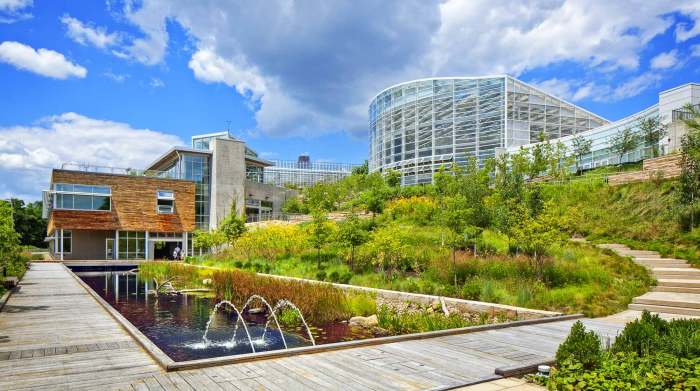
In conclusion, embracing sustainable brand positioning in real estate is not just a trend; it’s a vital strategy for long-term success. By prioritizing eco-friendly practices and guiding clients towards sustainable choices, real estate professionals can contribute to a healthier planet and a more informed client base. Ultimately, this commitment to sustainability can lead to enhanced property values and a thriving market presence.
Key Questions Answered
What is sustainable brand positioning?
It refers to the strategic approach of aligning a brand’s identity and marketing efforts with sustainable practices and values.
Why is sustainability important in real estate?
It attracts environmentally conscious buyers, enhances marketability, and increases property value over time.
How can real estate agents promote sustainable homes?
By highlighting eco-friendly features, providing information on green certifications, and educating clients about the benefits of sustainability.
What financing options are available for green building projects?
Options include green mortgages, government grants, and incentives aimed at promoting energy-efficient construction and renovations.
What are the key elements of a sustainable real estate brand?
Transparency, commitment to eco-friendly practices, community engagement, and a focus on innovation in sustainable technologies.


