
Affiliate marketing for beginners opens a world of opportunities for those looking to monetize their online presence. By partnering with brands to promote their products, newbies can earn commissions on sales generated through their unique links. This engaging approach not only allows individuals to work from anywhere but also provides a pathway to financial independence through creativity and strategic planning.
As we explore the essentials of getting started in affiliate marketing, we’ll break down the fundamental concepts, step-by-step procedures, and effective strategies that can lead to success. Whether you’re a blogger, social media enthusiast, or someone with a knack for marketing, this guide will equip you with the knowledge to embark on your affiliate journey confidently.
Introduction to Affiliate Marketing for Beginners
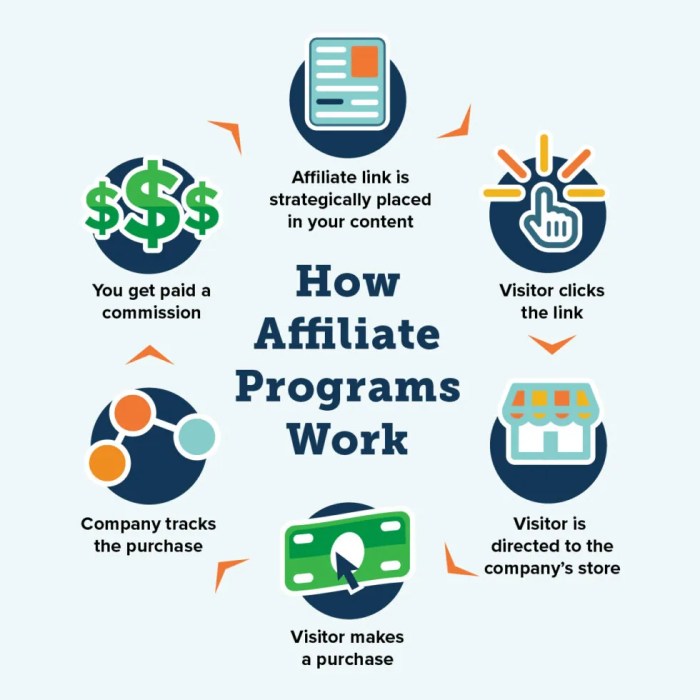
Affiliate marketing is a performance-based marketing strategy where individuals promote products or services of other companies and earn a commission for each sale or lead generated through their unique affiliate links. This business model appeals to newcomers because it requires relatively low startup costs and offers a flexible working environment. Whether you are looking to earn a side income or build a full-time career, affiliate marketing can be a lucrative opportunity.Getting started in affiliate marketing can feel overwhelming, but breaking it down into manageable steps can make the process more straightforward.
First, it’s essential to choose a niche that interests you and has a viable market. Once you’ve settled on your niche, the next step is to sign up for affiliate programs that align with your selected area. After that, build a platform—this could be a blog, YouTube channel, or social media account—where you can share valuable content with your audience and promote affiliate products.
Consistently creating content and engaging with your audience will help build trust and increase the likelihood of conversions.
Steps to Start Affiliate Marketing as a Beginner
To successfully navigate the world of affiliate marketing, follow these structured steps:
1. Choose a Niche
Select a specific category that you are passionate about and knowledgeable in. This could range from fitness and health to technology or home improvement. The key is to find a niche that has a target audience eager to purchase products.
2. Research Affiliate Programs
Look for affiliate programs that offer products or services within your chosen niche. Popular affiliate networks like Amazon Associates, ShareASale, and CJ Affiliate are excellent places to start. Evaluate the products, commission rates, and payment terms before committing.
3. Create a Platform
Establish your online presence, which could be through a blog, a YouTube channel, or social media platforms like Instagram or Facebook. The platform should be tailored to your audience and allow you to share engaging content.
4. Produce Quality Content
Consistently create and share valuable content that resonates with your audience. This could include product reviews, tutorials, or informational articles that incorporate your affiliate links naturally.
5. Drive Traffic to Your Content
Utilize various strategies to attract visitors to your content. This may include (Search Engine Optimization), email marketing, and social media engagement. The goal is to create awareness and interest in the products you promote.
6. Analyze and Optimize
Track your performance using analytics tools to understand which strategies yield the best results. Continually optimize your content and marketing tactics to improve your conversion rates.
“Successful affiliate marketing relies on understanding your audience and providing them with valuable resources, not just self-promotion.”
Examples of Successful Affiliate Marketing Strategies Tailored for Beginners
Implementing effective strategies is crucial for beginners looking to succeed in affiliate marketing. Here are some approaches that have worked well for many newcomers:
Content Marketing
Many successful affiliates start blogs or YouTube channels where they create valuable content around their niche. For instance, a health and wellness blogger may write articles about diet tips and incorporate affiliate links for nutritional supplements within their content.
Social Media Promotion
Platforms like Instagram and Pinterest are powerful tools for visual content sharing. For example, an affiliate could share lifestyle images featuring products, encouraging followers to purchase through their affiliate links. Engaging stories or posts can help build rapport and trust with the audience.
Email Marketing
Building an email list allows affiliates to communicate directly with their audience. By sending newsletters that include product recommendations and exclusive discounts, affiliates can drive traffic and conversions effectively.
Webinars and Tutorials
Offering free webinars or how-to guides can establish authority in a niche. For example, a tech enthusiast might host a webinar on how to optimize a home office setup, promoting affiliate products throughout the presentation.
Product Comparisons and Reviews
Creating detailed reviews or comparison articles can help potential buyers make informed decisions. A tech affiliate could compare the latest smartphones, providing links to purchase through their affiliate partners.By leveraging these strategies, beginners can navigate the affiliate marketing landscape effectively and begin to see results early in their journey. This approach not only promotes products but also builds a loyal audience that trusts your recommendations.
Affiliate Marketing in Real Estate
Affiliate marketing offers real estate agents a unique opportunity to broaden their reach and connect with potential clients. By partnering with various affiliate programs, agents can not only promote their listings but also collaborate with other professionals in the industry to enhance their services and increase sales. This synergy can lead to increased visibility and more clients, making affiliate marketing an essential tool for success in the real estate sector.Real estate agents can leverage affiliate marketing in several effective ways.
By joining affiliate programs that align with their services, agents can earn commissions while promoting properties, tools, and resources relevant to their clients. This not only diversifies their income but also positions them as a trusted resource in the home buying and selling process.
Affiliate Programs for Real Estate Professionals
There are several affiliate programs specifically designed for real estate professionals that can help agents monetize their online presence. Here are some popular options:
- Realtor.com Affiliate Program: This program allows agents to earn commissions for referring leads to Realtor.com. By directing potential buyers to listings, agents can capitalize on the site’s extensive reach.
- Real Estate Webmasters: This program offers real estate website solutions and provides agents with opportunities to earn commissions by promoting their platforms.
- Homes.com Affiliate Program: Agents can earn through referrals to Homes.com, which offers extensive property listings and information on local markets.
- CommissionSoup: This program connects real estate agents with various offers, ranging from mortgage services to home insurance, allowing agents to earn commissions on a wide range of referrals.
These programs not only help agents earn additional income but also provide tools and resources that can enhance their marketing strategies.
Integration of Affiliate Marketing Strategies for Selling Properties
Incorporating affiliate marketing strategies into the sales process for homes, condos, and commercial properties can significantly boost an agent’s effectiveness. Integrating these methods involves various approaches:
- Content Marketing: Creating informative content related to property buying or selling — such as guides, tips, and market analyses — can naturally incorporate affiliate links. For instance, a blog post about home staging might include links to affiliate partners that sell staging furniture.
- Targeted Social Media Campaigns: Real estate agents can use social media platforms to share property listings and content that includes affiliate links. By targeting specific demographics, agents can attract potential buyers while also promoting relevant services.
- Email Marketing: Building an email list of clients and potential leads allows agents to send regular newsletters showcasing listings and affiliate products. Including affiliate links in these communications can generate additional revenue and provide valuable resources to subscribers.
- Webinars and Online Workshops: Hosting informational sessions on buying or investing in real estate creates an excellent platform for promoting affiliate products and services. Agents can share their expertise while subtly recommending tools and services that can aid in the property process.
By effectively implementing these strategies, real estate agents can maximize the benefits of affiliate marketing, driving both sales and commissions while enriching their client relationships.
“Affiliate marketing can transform the way real estate agents connect with clients, offering innovative solutions to enhance their business.”
Affiliate Marketing for Related Real Estate Topics
Utilizing affiliate marketing within the real estate sector opens up numerous opportunities for income generation, particularly in niche areas such as home buying and staging. This allows beginners to capitalize on their knowledge or interest in real estate while providing valuable resources to potential buyers and sellers. Affiliate marketing can be a powerful tool in the context of buying real estate and home staging by promoting products and services that enhance property value and appeal.
For instance, real estate agents can recommend home staging services, furniture stores, or renovation contractors through affiliate links, earning commissions on any sales generated through their referrals. This creates a win-win situation where agents provide clients with valuable options while also benefiting financially.
Affiliate Marketing in Green Real Estate and Commercial Construction
Exploring affiliate marketing avenues within the green real estate and commercial construction sectors can uncover various profitable niches. Below is a table that Artikels potential affiliate marketing opportunities in these areas:
| Avenue | Description | Potential Affiliates |
|---|---|---|
| Green Building Products | Promoting eco-friendly building materials and sustainable products. | Manufacturers of bamboo flooring, recycled insulation. |
| Energy-Efficient Appliances | Recommending high-efficiency appliances that reduce energy consumption. | Brands like Energy Star, local appliance stores. |
| Sustainable Home Design | Affiliating with architects and designers specializing in green homes. | Design firms and online design platforms. |
| Commercial Construction Services | Referring construction companies that focus on sustainable practices. | Local green construction firms. |
The potential for affiliate marketing also extends to real estate investing and foreclosures, where investors can leverage affiliate partnerships to gain insights and tools for their ventures. For instance, platforms that provide access to foreclosure listings or investment strategies can be promoted through affiliate links, which can be an attractive offer for new investors looking to enter the market.
“Affiliate marketing allows real estate investors to earn passive income while providing value through recommended resources and services.”
Consider a case study of an affiliate marketer who specialized in real estate investing. By creating a blog focused on investment strategies, they partnered with a platform that offered courses on foreclosure investing. Through their affiliate links, they not only educated their audience but also earned commissions on course sign-ups, which illustrated the potential for financial growth through informative content.
This demonstrates how affiliate marketing can effectively integrate with real estate investment strategies to create a lucrative business model.
Epilogue
In conclusion, affiliate marketing for beginners offers a dynamic and rewarding way to generate income while sharing your passions with the world. With the right tools, strategies, and dedication, anyone can carve out a niche in this growing field. As you take your first steps into affiliate marketing, remember that success takes time, but with persistence and creativity, the potential rewards can be substantial.
Key Questions Answered
What is affiliate marketing?
Affiliate marketing is a performance-based marketing strategy where individuals earn commissions for promoting products or services and generating sales through their referral links.
Do I need a website to start affiliate marketing?
No, while having a website can be beneficial, you can use social media platforms, blogs, and email lists to promote affiliate products without a dedicated site.
How do I choose the right affiliate program?
Consider factors like product relevance to your audience, commission rates, and the reputation of the affiliate program before choosing one.
Is there a cost to join affiliate programs?
Most affiliate programs are free to join, but some may have specific requirements or offer premium memberships for additional benefits.
How long does it take to earn money in affiliate marketing?
Earnings can vary greatly; some may see returns within weeks, while others may take months to build a profitable income stream.


