
In-game advertising growth is revolutionizing the gaming landscape, melding entertainment with marketing in ways previously unimaginable. As players engage deeply with immersive worlds, brands find unique opportunities to connect with audiences in real time, enhancing both gameplay and advertising effectiveness.
The trends show a significant uptick in in-game advertising, driven by technological advancements, increased gaming popularity, and the potential for real estate integration. With these elements at play, the gaming industry is poised for a transformation that could reshape how brands communicate with consumers.
Growth of In-game Advertising
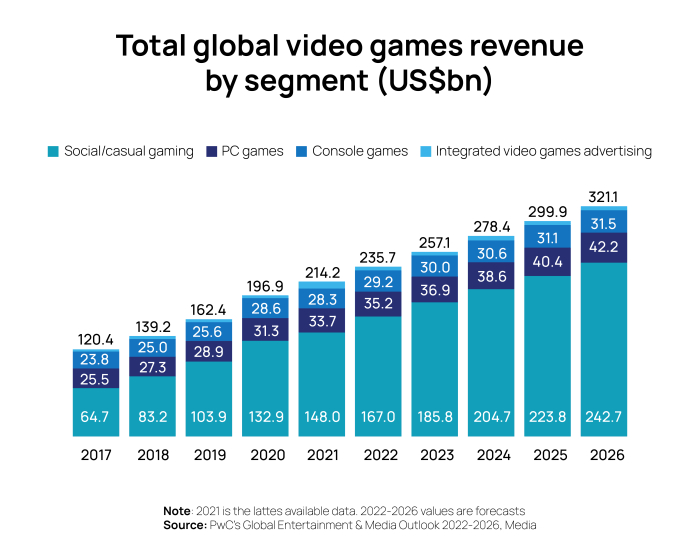
In recent years, in-game advertising has emerged as a dynamic and integral component of the gaming industry. As digital gaming continues to expand its reach, the methods through which brands connect with players have evolved significantly. This trend is not merely a fleeting phenomenon but a reflection of deeper shifts in both gaming culture and consumer behavior.The increase in in-game advertising can be attributed to several key trends.
Firstly, the global gaming audience has skyrocketed, with billions of players participating across various platforms. This broad demographic appeal has made gaming an attractive space for advertisers aiming to reach diverse consumer groups. Secondly, as gaming technology evolves, games themselves are becoming more immersive and interactive, allowing for more effective ad placements that feel natural within the game environment. Furthermore, studies have shown that gamers are more receptive to advertisements when they are integrated seamlessly into gameplay rather than interrupting the experience.
Factors Driving the Growth of In-game Advertising
The growth of in-game advertising can be linked to several influential factors that have transformed the gaming landscape. Understanding these factors is essential for recognizing the vast potential of this medium.
- Increased Mobile Gaming: The rise of mobile gaming has created an unprecedented opportunity for advertisers, as millions of users engage with games on their smartphones daily. Mobile games often utilize in-game ads to monetize free-to-play models effectively.
- Shifts in Consumer Behavior: Gamers today are more engaged with digital content than ever before, leading to a greater willingness to interact with ads that are relevant and entertaining. This change in mindset has allowed brands to connect with players on a more personal level.
- Advanced Targeting Capabilities: With sophisticated data analytics and user tracking technologies, advertisers can now target specific demographics with precision. This level of targeting enhances the effectiveness of campaigns, increasing return on investment for brands.
- Brand Safety and Transparency: As the industry matures, concerns about brand safety and transparency have led to improved standards and practices in ad placements, assuring brands that their advertisements are displayed in appropriate contexts.
Impact of Technology Advancements on In-game Advertising Strategies
The rapid advancement of technology has played a crucial role in shaping in-game advertising strategies. These technologies facilitate innovative approaches that enhance the advertising experience for both brands and players.The introduction of virtual and augmented reality has opened new avenues for immersive advertising experiences. For example, brands can create virtual billboards within games that players can interact with, making the ads feel like a natural part of the game world.
Similarly, programmatic advertising has streamlined the ad-buying process, allowing for real-time bidding on ad placements. This technology enables advertisers to reach their audience at the most opportune moments, increasing engagement levels.Furthermore, machine learning algorithms are being utilized to analyze player behavior, enabling brands to tailor their advertisements to individual preferences and playing styles. This personalization leads to higher interaction rates and increases the likelihood of players acting on the ads they encounter.Overall, the growth of in-game advertising reflects a convergence of technological advancements and evolving consumer attitudes, making it a powerful tool for brands looking to engage the gaming demographic.
Integration of Real Estate in Gaming
The integration of real estate within video games has evolved significantly, with developers increasingly incorporating realistic elements that mimic the dynamics of the property market. This trend not only enhances gameplay but also opens doors for innovative advertising opportunities and virtual real estate transactions. By blending real estate concepts into gaming, players can experience a virtual world that reflects real-life economic principles and investment opportunities.Real estate elements in games can be observed in various ways, from virtual property ownership to simulated housing markets that allow players to buy, sell, and develop properties.
Games like “The Sims” enable players to construct and manage homes, while titles like “Minecraft” encourage creativity in building unique structures, which can be viewed as virtual real estate management. Additionally, “Grand Theft Auto Online” features a range of purchasable properties, from apartments to sprawling warehouses, which players can customize and utilize within the game’s ecosystem.
Potential for In-game Advertising for Real Estate Agents and Realtors
The rise of in-game advertising presents a unique opportunity for real estate agents and realtors to connect with potential buyers and tenants in a novel environment. By integrating real estate branding and listings into popular games, agents can reach a diverse audience in a highly engaging manner. The advertising potential includes:
- Virtual Billboards: Real estate companies can utilize virtual billboards displayed within the game to advertise properties, creating a constant presence in the gaming environment.
- Property Sponsorship: Realtors can sponsor in-game properties, allowing players to interact with real listings while gaming, effectively bridging the gap between virtual and real-world real estate.
- Interactive Tours: Agents can create virtual open houses or guided tours for players to explore properties in a game-like setting, making the experience more immersive and informative.
This innovative advertising method not only promotes properties but also engages players in a unique way that traditional advertising cannot achieve.
Implications of Virtual Real Estate Buying and Selling Within Games
The concept of virtual real estate buying and selling raises intriguing implications for both the gaming industry and the real estate market. As players invest in virtual properties, the parallels to real-world real estate transactions become more pronounced. Key implications include:
- Market Dynamics: Just like in real life, the value of virtual properties can fluctuate based on demand, location within the game, and scarcity of resources. This creates a mini-economy within the gaming world.
- Investment Opportunities: Players may view virtual real estate as an investment avenue, leading to the emergence of virtual real estate agents who specialize in in-game property transactions.
- Legal Considerations: As virtual properties gain real-world value, legal frameworks will need to adapt to address ownership rights, property taxes, and transaction regulations in virtual environments.
With the continuous growth of the gaming industry, the intersection of real estate and gaming is poised to create exciting new avenues for investment, advertising, and economic activity in virtual spaces.
Future Prospects of In-game Advertising
In-game advertising is poised for exponential growth in the coming years, driven by advances in technology, increased engagement in gaming, and a shift toward immersive experiences. The expansion of virtual reality (VR) and augmented reality (AR) platforms will play a significant role in shaping the future landscape of advertising within games, creating more integrated and impactful marketing strategies for brands.The anticipated growth trajectory of in-game advertising is forecasted to reach a market value significantly higher than previous years, with some analysts predicting it could surpass $20 billion by 2027.
This upsurge will be influenced by the increasing number of gamers globally and the continuous evolution of gaming environments that facilitate more sophisticated advertising approaches.
Leveraging In-game Advertising in Commercial Construction and Property Sectors
The commercial construction and property sectors can tap into in-game advertising to enhance their visibility and appeal to a younger demographic increasingly engaged in gaming. By integrating real-life properties and developments into gaming environments, these sectors can create compelling narratives that attract potential clients and investors.For instance, virtual tours of new commercial spaces can be hosted in popular gaming platforms, allowing players to experience properties in a dynamic way.
This approach not only showcases the properties but also enhances user engagement through interactive elements. Additionally, partnerships with game developers to feature real estate brands or developments in-game can generate organic advertisements that resonate with players.
Role of Green Real Estate in Gaming Environments and Advertising Strategies
The rise of green real estate presents a unique opportunity for in-game advertising strategies. As sustainability becomes a critical focus for consumers, integrating eco-friendly concepts into gaming can enhance brand value and appeal. In-game environments can simulate green architecture, energy-efficient buildings, and sustainable landscapes, allowing players to interact with and learn about these concepts. For example, major gaming franchises can collaborate with developers specializing in green architecture to create a virtual city that embodies sustainability principles.
This not only educates players about the importance of sustainable living but also positions brands associated with green initiatives as forward-thinking and responsible.In summary, the future of in-game advertising will be characterized by innovative collaborations and the integration of real-world concepts into virtual environments, particularly in sectors like commercial real estate and sustainability. The potential for immersive advertising experiences is vast, setting the stage for transformative marketing strategies in the gaming world.
Closing Notes
In conclusion, the future of in-game advertising growth looks promising, offering innovative avenues for brands and real estate professionals alike. As technology continues to evolve, the integration of advertising within gaming experiences will not only enhance user engagement but also provide businesses with unprecedented opportunities for connection and visibility.
Question & Answer Hub
What is in-game advertising?
In-game advertising refers to the integration of promotional content within video games, allowing brands to reach players in immersive environments.
How does technology influence in-game advertising?
Advancements in technology, such as augmented reality and data analytics, enable more targeted and interactive advertising strategies in games.
What are the benefits of in-game advertising for brands?
Brands benefit from in-game advertising by gaining access to engaged audiences, enhancing brand recall, and creating interactive experiences that resonate with players.
Can real estate be advertised in games?
Yes, real estate can be effectively advertised in games, with opportunities for virtual property showcases and partnerships with real estate agents.
What is the future outlook for in-game advertising?
The future of in-game advertising is bullish, with expectations of significant growth driven by increasing gaming participation and evolving advertising technologies.


