
Handmade fashion items set the stage for this enthralling narrative, offering readers a glimpse into a story that is rich in detail and brimming with originality from the outset. These items are not just products; they are a reflection of creativity, culture, and individuality, crafted with care and passion. From the selection of materials to the intricate techniques employed, each piece tells a story that mass-produced items simply cannot match.
In today’s market, consumers are increasingly drawn to the authenticity and uniqueness of handmade fashion. They appreciate the artisanal effort that goes into each item and the positive impact it has on local communities, as well as the environment. With evolving trends shaping consumer preferences, handmade fashion items are becoming a staple for those seeking to express their personal style while supporting sustainable practices.
Handmade Fashion Items
Creating handmade fashion items is an art form that combines creativity with craftsmanship. The process involves carefully selecting materials, designing unique pieces, and executing intricate techniques to bring a vision to life. Common materials used in handmade fashion include organic fabrics like cotton, linen, and wool, which are often sourced sustainably. Additionally, artisans may incorporate embellishments such as beads, embroidery, and natural dyes, which enhance the individuality of each item.Choosing handmade fashion over mass-produced items offers numerous benefits that resonate with conscious consumers.
Handmade items often feature superior craftsmanship, leading to greater durability and quality. Furthermore, purchasing handmade supports local artisans and small businesses, fostering community growth. This form of fashion also allows for unique self-expression, as each piece tells a story and reflects the personality of its creator.
Benefits of Handmade Fashion
Handmade fashion provides a distinct alternative to mass production, and its advantages are compelling. The unique characteristics of handmade items contribute to their desirability. Key benefits include:
- Quality and Durability: Handmade items are typically made with a keen attention to detail and high-quality materials, ensuring they last longer than mass-produced counterparts.
- Customization: Many artisans offer personalized options, allowing consumers to acquire pieces that fit their style and preferences perfectly.
- Sustainability: Handmade fashion often utilizes eco-friendly materials and practices, aligning with the values of environmentally conscious consumers.
- Support for Artisans: Buying handmade fosters economic opportunities for local artisans and contributes to the preservation of traditional craft techniques.
- Unique Style: Each handmade item is one-of-a-kind, promoting individuality and ensuring that consumers stand out with their fashion choices.
Trends Influencing Handmade Fashion
The landscape of handmade fashion is dynamic, continuously shaped by evolving consumer preferences and social movements. Popular trends are emerging that significantly influence buying habits. Consumers are increasingly drawn to:
- Minimalism: Many buyers favor simple, timeless designs that prioritize functionality and versatility, reflecting a shift toward minimalistic aesthetics.
- Upcycling: The trend of repurposing materials to create fashion-forward pieces resonates with sustainability advocates, leading to innovative designs that minimize waste.
- Local Sourcing: There is a growing interest in locally made products, which not only supports local economies but also reduces carbon footprints associated with global shipping.
- Inclusive Fashion: Handmade brands are increasingly focusing on inclusivity, creating diverse sizing options and gender-neutral designs to cater to a broader audience.
- Cultural Heritage: Many artisans are celebrating their cultural backgrounds through their designs, incorporating traditional techniques and motifs that tell a story.
“Handmade fashion is not just about the product; it’s about the connection between the maker and the wearer.”
Real Estate Agents and Realtors
Real estate agents play a pivotal role in the niche market of buying and selling properties that cater to handmade fashion items. These agents serve as the bridge between unique, artisan-focused spaces and potential buyers or sellers, ensuring that the distinctive character of such properties is effectively communicated and valued.
Role of Real Estate Agents in Handmade Fashion Property Transactions
Real estate agents specializing in properties that support handmade fashion businesses enhance the buying and selling experience by offering their expertise in market dynamics and property evaluation. They possess an understanding of the local artisan community, which aids in correctly pricing and marketing these unique properties. By showcasing features that resonate with potential buyers—like studio spaces for creators or retail areas for selling handmade goods—agents can effectively highlight the benefits of such properties.
Additionally, agents often assist their clients in navigating the complexities of real estate transactions. This includes everything from negotiating prices to ensuring compliance with local zoning laws that may affect how properties can be used. Their involvement can significantly streamline the process, making it more accessible for both buyers and sellers.
Promotion of Local Artisans by Real Estate Agents
Real estate agents can significantly contribute to the visibility of local artisans and their handmade products within the community. By organizing events, open houses, or local fairs that feature handmade items, agents can create an engaging platform for artisans to showcase their work. These initiatives not only promote the artisans but also draw attention to the properties being showcased. A successful approach involves connecting with local artisan groups and collaborating on marketing efforts.
This could include:
- Cross-promotion on social media platforms to reach wider audiences.
- Hosting community events that allow artisans to set up pop-up shops within featured properties, creating a unique shopping experience.
- Providing educational workshops or sessions about the handmade fashion industry, attracting potential buyers interested in supporting local craftsmanship.
Strategies for Attracting Buyers Interested in Handmade Fashion Properties
To attract buyers who are passionate about handmade fashion, real estate agents can adopt several strategic measures. Understanding the unique selling points of these properties is crucial, as is communicating their value effectively. A few strategies include:
- Highlighting the property’s potential for creative use, such as art studios or boutique spaces.
- Utilizing storytelling in marketing materials to convey the unique history and character of the property, creating an emotional connection with potential buyers.
- Engaging with social media influencers within the handmade fashion niche to promote listings, tapping into their established audience for increased visibility.
By leveraging these strategies, real estate agents can successfully cater to buyers interested in properties that foster and support the handmade fashion industry, ensuring that both the artisans and their unique offerings gain the recognition they deserve.
Building a Home for Artisan Spaces
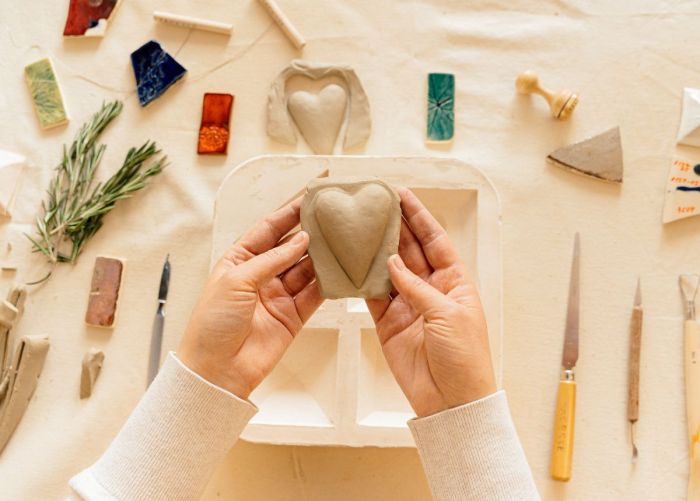
Creating a home that serves both as a comfortable living space and a functional artisan workspace is essential for those who craft handmade fashion items. A well-thought-out design can enhance creativity, productivity, and even provide a unique retail experience for customers. Balancing these elements effectively allows artisans to thrive in their craft while also managing their business within their home.Designing a layout that accommodates a workspace for crafting handmade fashion items requires attention to both functionality and creativity.
The space should inspire while providing practical solutions for the materials and tools frequently used. Considerations such as lighting, storage, and workflow are crucial in creating a harmonious environment that prevents clutter and promotes creativity.
Designing a Creative Workspace
When designing a workspace for crafting, it’s vital to ensure that the area meets both practical and inspirational needs. Here are several key considerations for creating an effective home studio:
- Natural Light: Position the workspace near windows to take advantage of natural light, which can enhance mood and productivity. Consider adding reflective surfaces to boost light throughout the space.
- Ergonomic Furniture: Invest in comfortable, adjustable furniture that supports long crafting sessions. A sturdy workbench and an ergonomic chair can prevent physical strain.
- Storage Solutions: Utilize vertical space with shelves and cabinets to keep materials organized. Clear bins or labeled containers can help you easily find materials when needed.
- Inspiration Board: Create a space on the wall dedicated to inspiration, featuring swatches, sketches, and images that motivate your creative process.
- Sound Management: If noise is a distraction, soundproofing materials or soft furnishings can help minimize disruptions and create a peaceful working environment.
Integrating a Retail Space
To enhance sales opportunities, incorporating a retail space within your home can provide a direct connection to your customers. This integration should be designed thoughtfully to create an inviting atmosphere. Here are some tips for effectively setting up a retail area:
- Dedicated Entry: Design a separate entrance for customers to maintain privacy in your living space while providing a professional feel.
- Display Areas: Use creative display solutions for showcasing your handmade fashion items. Well-organized racks, tables, and mannequins can draw attention to your products.
- Comfortable Atmosphere: Create a welcoming environment with comfortable seating and engaging decor that reflects your brand’s identity.
- Payment Solutions: Ensure that you have accessible and efficient payment systems in place, such as mobile card readers, to streamline the purchasing process.
- Community Events: Plan occasional open-house events or craft demonstrations to encourage customer engagement and build a loyal following.
“A well-designed artisan space not only nurtures creativity but also serves as a bridge between the maker and the customer.”
Closure
In conclusion, the world of handmade fashion items offers a captivating blend of artistry and sustainability, inviting consumers to choose products that resonate with their values and tastes. As more people recognize the significance of supporting artisans, the appreciation for these unique creations continues to grow. By embracing handmade fashion, we celebrate creativity and contribute to a thriving community of makers who pour their hearts into every stitch.
FAQ Compilation
What are the common materials used in handmade fashion items?
Common materials include organic fabrics, natural fibers, leather, and upcycled materials.
How can I identify quality handmade fashion items?
Look for attention to detail, quality stitching, and unique designs that showcase craftsmanship.
Are handmade fashion items more expensive than mass-produced ones?
They can be, but the price often reflects the quality, craftsmanship, and sustainable practices involved.
How can I support local artisans in my area?
Attend local craft fairs, shop at artisan markets, or purchase directly from their online stores.
What trends are currently popular in handmade fashion?
Current trends include minimalist designs, eco-friendly materials, and personalized/customized pieces.


